Gym growth4-minute read
How to use AI to grow a gym: a 30-day playbook
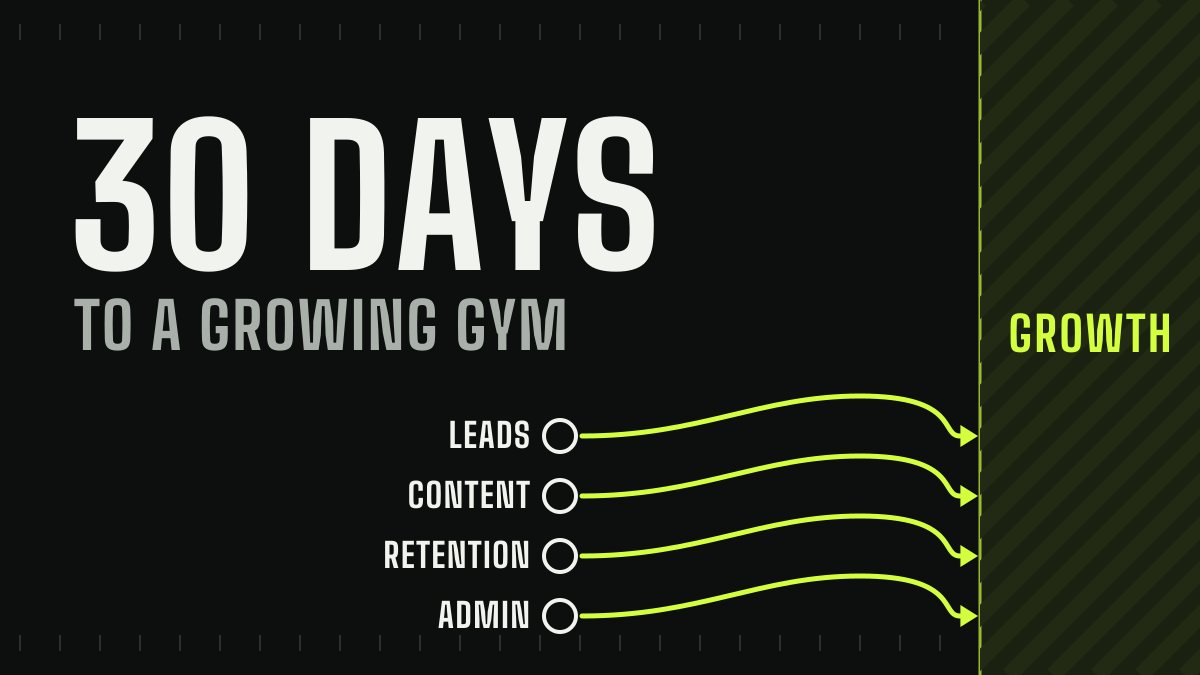
If you’re figuring out how to use AI to grow a gym, start with the work that already decides your growth: how fast you answer leads, how well you follow up, how often you show up online and how long members stay. AI won’t coach your members. It will give you back the hours lost to admin and make sure no lead or member slips through the cracks. Here’s a 30-day playbook any gym owner can run.
By the Core 3 AI team
Published
How to use AI to grow a gym: start with the leaks
Most gyms don’t have a traffic problem. They have a leak problem. Inquiries sit unanswered for hours, trial members never hear from a coach, and members who drift away get no check-in until they cancel. AI is very good at plugging these leaks because the work is repetitive, time-sensitive and easy to drop when you’re busy.
So the plan below starts with the leaks, then builds a content engine, then locks in retention. Each week takes a few focused hours to set up, then runs with light supervision.
Week 1: plug the leaks in lead follow-up
Speed matters more than anything else in lead follow-up. People asking about memberships are often asking two or three gyms at once.
- Map every lead source. Website form, Instagram and Facebook messages, Google Business Profile messages, phone calls and walk-ins.
- Write your answer bank. Pricing approach, schedule, trial offer, location, parking and what to bring. This is what AI uses to draft replies, so make it accurate.
- Draft replies and a three-message follow-up. Use ChatGPT, Claude or Gemini to write a warm first reply and two follow-ups for people who don’t book. Edit them until they sound like you.
- Set the rule. Every lead gets a personal reply within minutes when you’re staffed, and an automatic one when you’re not.
Track your average response time this week. It’s usually the first number to move.
Week 2: build a content engine that runs weekly
Consistent content builds trust before someone ever walks in. The trick is to stop starting from a blank page.
- Pick three content pillars. For example: coaching tips, member wins and behind the scenes.
- Record one 20-minute coach brain dump each week. Talk through what you coached, what members struggled with and a win worth sharing.
- Let AI do the packaging. Turn the transcript into posts, captions, a short newsletter and two or three short-form video scripts.
- Edit, then schedule in one sitting. A person checks every piece for accuracy and voice before it goes out.
Consistent beats perfect. Four solid posts a week will do more than one polished post a month.
Week 3: turn new members into long-term members
Retention is where gyms quietly win or lose. The first 30 days decide whether a new member becomes a regular.
- Build an onboarding sequence. A welcome message, what to expect in week one, a coach check-in in week two and a progress note at day 30.
- Flag members who drift. Export attendance from your gym software and have AI list members whose visits dropped, with a short, personal check-in draft for each.
- Ask for reviews at the right moment. Right after a milestone, like a first month completed or a personal record.
- Run a simple win-back campaign for past members with a clear, time-limited offer.
Week 4: cut admin and keep score
Now take back the hours that admin steals from coaching and selling.
- Turn front-desk tasks into AI-assisted checklists for opening, closing, new member setup and common questions.
- Summarize your week. Export your numbers and ask AI for a one-page summary of what changed and why.
- Keep a four-number scoreboard: new leads, average response time, trials booked and trial-to-member conversion. Add retention once you have a month of data.
At the end of the month, look at what moved and decide which play to scale next.
The AI tools you actually need
You don’t need a stack of new software. Most gyms can run this entire playbook with three things:
- A general AI assistant such as ChatGPT, Claude or Gemini.
- The AI and automation features already built into your gym management software, email platform or CRM.
- A simple automation tool like Zapier or Make to connect forms, calendars and messages, if your software can’t do it on its own.
Mistakes to avoid
- Publishing unedited AI content. It shows, and it erodes trust. Always have a person review.
- Automating before your offer is clear. AI amplifies whatever you give it, including confusion about pricing or trials.
- Putting sensitive member information into AI tools. Keep health details and personal data out unless the tool and its settings are approved for it.
- Chasing likes. Measure booked trials and memberships, not engagement.
Want help running the playbook?
You can run every step above yourself. If you’d rather move faster, we can train your staff to run these plays or run them for you. See how we work with gyms and facilities on our AI for sports performance businesses page.